

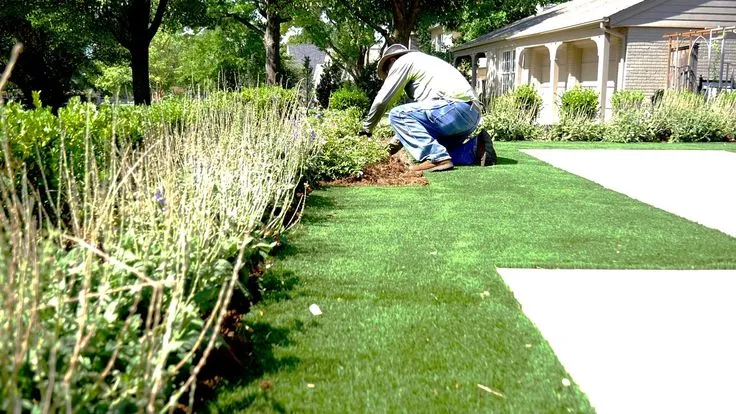
A beautiful garden can make a property feel welcoming, but keeping plants healthy and outdoor areas tidy takes regular attention. Weeds can spread through flower beds, shrubs may grow beyond their intended shape, and patches of grass can turn brown when watering or soil conditions are unsuitable. These problems often begin gradually, making them easy to overlook until the garden requires considerable time and effort to restore.
For homeowners, the challenge is not simply removing visible weeds or trimming branches. Understanding why plants struggle, why water collects in certain areas, and why the same maintenance issues return is essential for lasting improvement. Professional gardening services help address these concerns through practical garden care, soil improvement, appropriate pruning, and seasonal maintenance.
Huckleberry Landscaping LLC helps homeowners maintain attractive outdoor spaces through gardening and landscaping care suited to their property’s needs. By identifying common garden problems and choosing appropriate solutions, homeowners can protect existing plants, improve the appearance of their yards, and make routine maintenance more manageable.
Why Do Weeds and Overgrown Shrubs Make Gardens Difficult to Maintain?
Weeds are among the most common problems in residential gardens because they grow quickly and compete with desirable plants for sunlight, moisture, nutrients, and space. When weeds spread throughout flower beds, they can hide smaller plants, interfere with garden borders, and make the entire yard appear neglected. Some varieties also produce seeds rapidly, allowing new growth to emerge even after the visible weeds have been removed.
Overgrown shrubs create similar difficulties. Crowded branches may block walkways, cover windows, interfere with nearby plants, and affect the overall shape of the landscape. When pruning is delayed, restoring the original appearance of shrubs can become more difficult, particularly when excessive cutting would damage healthy growth.
The solution begins with regular inspection and timely maintenance. Removing weeds before they produce seeds helps reduce further spread, while suitable pruning keeps shrubs within their intended growing space. Applying mulch to appropriate planting beds can also limit weed germination and help retain soil moisture.
Effective garden maintenance includes:
- Removing weeds before they spread across planting beds.
- Trimming shrubs according to their natural growth patterns.
- Clearing dead leaves and unwanted plant material.
- Applying suitable mulch around established plants.
- Maintaining clean edges around lawns, pathways, and flower beds.
These simple practices help keep gardens organized and reduce the amount of work required during major seasonal cleanups. Addressing unwanted growth early also allows flowers and shrubs to receive the resources they need.
Improving Soil Quality and Fixing Garden Drainage Problems
Healthy roots depend on suitable soil structure, moisture levels, and nutrient availability. When soil becomes compacted, roots may struggle to spread and access the air and water necessary for healthy development. Poor drainage creates another challenge because excessive moisture around roots can contribute to root damage, fungal problems, and declining plant health.
Soil that drains too quickly can cause different difficulties. Sandy soil may lose moisture rapidly, leaving flowers and shrubs stressed during warm weather. In other gardens, heavy soil may remain wet for extended periods after rainfall or irrigation. Both conditions can affect plant growth when watering and planting choices do not match the growing environment.
Improving soil requires understanding the existing conditions rather than adding products without a clear purpose. A soil test can help identify pH levels and nutrient deficiencies, while observing drainage patterns can reveal areas that remain excessively wet. Suitable compost or other organic matter may improve soil structure, depending on the soil type and the plants being grown.
Homeowners can support healthier soil by taking these steps:
- Incorporate appropriate organic matter where beneficial.
- Check drainage after watering or heavy rainfall.
- Avoid repeatedly walking over planting beds and compacting soil.
- Select plants suited to the available soil and sunlight.
- Investigate persistent standing water before changing irrigation schedules.
These improvements can create better conditions for root development and reduce recurring plant problems. Correcting the underlying issue is often more effective than repeatedly replacing struggling plants.
What Causes Brown Leaves, Wilting Flowers, and Unhealthy Shrubs?
Brown leaf edges, yellow foliage, drooping flowers, and slow growth can indicate that plants are under stress. However, these symptoms do not always point to the same problem. A plant may wilt because the soil is too dry, but excessive moisture can also damage roots and prevent them from absorbing water effectively.
Other causes include intense sunlight, unsuitable planting locations, nutrient deficiencies, pests, and damaged roots. Applying extra fertilizer without identifying the cause may create additional stress rather than helping the plant recover.
A careful inspection can provide useful clues. Check moisture below the soil surface, examine leaves for unusual spots or insect activity, and consider whether the plant receives the appropriate amount of sunlight. Look for differences between affected plants and healthy plants growing nearby. These observations can help determine whether the problem involves watering, soil conditions, pests, or another environmental factor.
Once the likely cause is identified, suitable care may include adjusting irrigation, removing damaged plant material, improving soil conditions, or relocating plants when appropriate. Persistent symptoms may require advice from a qualified horticulture professional, especially when several plants begin declining at the same time.
Huckleberry Landscaping LLC helps homeowners maintain their gardens through practical landscape care and attention to general plant condition. Regular inspections and timely maintenance can help homeowners identify visible problems earlier and keep their outdoor spaces looking presentable.
Which Seasonal Gardening Tasks Help Prevent Common Yard Problems?
Gardens change throughout the year, and their maintenance requirements change with them. Spring growth can bring weeds and crowded planting beds, while summer heat increases the importance of moisture management. Autumn introduces fallen leaves and seasonal cleanup, and colder weather may expose vulnerable plants to frost or damage.
A seasonal maintenance plan helps homeowners spread tasks throughout the year instead of waiting until the garden becomes difficult to manage. Spring is often suitable for clearing winter debris, preparing planting beds, checking irrigation systems, and assessing shrubs for damaged branches. Summer maintenance generally involves monitoring soil moisture, removing weeds, and checking plants for heat stress.
During autumn, removing fallen leaves from lawns and clearing dead annuals can improve the appearance of outdoor spaces. However, some leaves can be left in suitable garden areas as natural organic matter, provided they do not smother plants or create drainage problems. Pruning should also be scheduled according to plant species, as trimming at the wrong time can remove developing flower buds.
| Season | Recommended Gardening Tasks |
| Spring | Prepare soil, inspect plants, remove weeds, and refresh planting beds. |
| Summer | Monitor moisture, manage weeds, and check for heat stress. |
| Fall | Clear excess leaves, remove dead annuals, and prepare suitable plants for winter. |
| Winter | Inspect vulnerable plants and plan garden improvements for spring. |
Seasonal care supports healthier plants while making maintenance more predictable. It also provides opportunities to identify drainage issues, damaged shrubs, and other concerns before they become more difficult to address.
Practical Solutions for Recurring Garden Maintenance Problems
Many homeowners can manage basic gardening tasks, such as watering, light weeding, and removing dead plant material. However, larger gardens and recurring issues often require more time, suitable equipment, and consistent care. When weeds keep returning, shrubs become overgrown, or plants struggle despite regular watering, addressing the underlying cause becomes essential.
Professional gardening services help homeowners manage these concerns through appropriate pruning, weed removal, soil improvement, and seasonal garden maintenance. The right approach depends on the garden’s size, plant varieties, and existing growing conditions.
Homeowners can prioritize garden maintenance by:
- Identifying recurring problems and their causes.
- Choosing plants suited to local growing conditions.
- Scheduling pruning and cleanup at appropriate times.
- Monitoring soil moisture and drainage regularly.
- Maintaining flower beds to prevent unwanted growth.
Maintaining Beautiful Outdoor Spaces with Huckleberry Landscaping LLC
Huckleberry Landscaping LLC provides gardening and landscaping care to help homeowners maintain tidy, attractive outdoor spaces. Regular attention to plant growth, garden beds, and landscape conditions helps prevent minor problems from becoming larger maintenance projects.
A well-maintained garden requires more than occasional trimming or cleanup. Healthy soil, suitable watering practices, controlled weed growth, and seasonal care all contribute to a landscape that remains attractive throughout the year. Addressing these needs early can protect established plants and reduce avoidable maintenance. With consistent care and practical improvements, homeowners can enjoy organized flower beds, healthier shrubs, and outdoor spaces that are easier to maintain over time.
Frequently Asked Questions
What Are the Most Common Garden Problems?
Common garden problems include weeds, compacted soil, poor drainage, inconsistent watering, pest damage, unhealthy plants, and overgrown shrubs. Identifying the cause of each issue helps determine the most appropriate solution.
How Often Should Garden Maintenance Be Scheduled?
Maintenance frequency depends on garden size, plant varieties, weather, and seasonal growth. Checking the garden regularly during active growing periods helps identify weeds, moisture problems, and damaged plants before the issues spread.
Can Gardening Services Help Improve Poor Soil?
Yes. Suitable soil amendments, drainage improvements, and appropriate plant selection can support healthier growing conditions. Soil testing can also help identify pH imbalances or nutrient deficiencies that may affect plant growth.
How Can Homeowners Prevent Weeds from Returning?
Removing weeds before they produce seeds, maintaining planting beds, and applying suitable mulch can help reduce unwanted growth. Regular inspections make it easier to remove new weeds before they become established.
When Should Shrubs Be Pruned?
The best pruning time depends on the shrub species, its flowering cycle, and its growth habits. Pruning at an appropriate time helps maintain shape while protecting healthy branches and future blooms.
Why Do Plants Wilt Even When the Soil Is Wet?
Excessively wet soil can damage roots and reduce their ability to absorb water. Checking drainage, root health, and watering frequency can help distinguish overwatering from other causes of wilting.
Can Seasonal Gardening Prevent Plant Damage?
Seasonal maintenance helps homeowners identify weeds, moisture issues, fallen debris, and vulnerable plants before conditions worsen. The appropriate tasks depend on local weather, plant requirements, and the condition of the garden.
Give Your Garden the Care It Deserves
Huckleberry Landscaping LLC helps keep your outdoor spaces neat, healthy, and inviting with practical gardening and landscaping solutions. From overgrown shrubs to weed-filled flower beds, proper maintenance can make a noticeable difference in your yard. Regular care supports healthier plants and improves the overall appearance of your property. Keep your garden manageable with attention to its seasonal needs and growing conditions. Create an outdoor space you can enjoy with dependable gardening care tailored to your landscape.